Fertilizer bags face two kinds of pressure at once: on one side, the 25kg weight that bears down during handling and stacking; on the other, moisture, which causes fertilizer to clump as soon as it absorbs humidity, making it hard to spread or apply. At Chia Huang Paper, we've been making industrial paper bags since 1973. This article explains how to choose fertilizer bags from a manufacturing perspective, and why fertilizer storage should start with understanding hygroscopicity.
Let's first define the scope: different fertilizers vary widely in how much moisture they absorb. The data cited in this article comes from published literature on chemical fertilizers; organic fertilizers and soil amendments are not covered by these sources, so actual evaluation should be based on your specific contents. We are a paper bag manufacturer, not fertilizer experts, and cannot provide legal guarantees for fertilizer labeling—these boundaries will be clarified separately throughout the article.
Two Key Challenges for Fertilizer Bags: 25 kg Load Capacity and Moisture Absorption
25kg is the most common fertilizer bag specification, though other weights can be customized; contents may include organic fertilizer, chemical fertilizer, compound fertilizer and soil amendments. Weight is a visible pressure, while moisture absorption is an invisible one. The "Understanding Chemical Fertilizers" section of Technical Bulletin No. 132, "Fertilizer Characteristics and Rational Fertilization Guidelines," published by the Tainan District Agricultural Research and Extension Station, notes that nitrate nitrogen fertilizers are highly hygroscopic and can form hard clumps or even deliquesce after absorbing water. The bulletin also warns that such fertilizers are flammable and explosive under high temperatures, and clumps should never be struck with a hammer. Potassium chloride is only mildly hygroscopic but can still clump over time; potassium sulfate is non-hygroscopic; monoammonium phosphate is non-hygroscopic and does not clump (see Tainan DARES Technical Bulletin No. 132). Yara Canada's website also notes that virtually all fertilizers absorb some moisture, each having a critical humidity threshold that drops as temperature rises (see Yara's explanation of fertilizer physical properties). The table below summarizes the figures from the bulletin at 30°C.
| Fertilizer (Pure Compound) | Critical Relative Humidity at 30°C | Hygroscopicity Rating | Notes from Data |
|---|---|---|---|
| Calcium Nitrate | 46.7 | Extremely High | Lowest critical humidity, most prone to moisture absorption |
| Ammonium Nitrate | 59.4 | High | Low critical humidity, easily absorbs moisture |
| Urea | 72.5 | Medium-Low | Hygroscopicity increases above 20°C, similar to sodium nitrate at 30°C |
| Ammonium Sulfate | 79.2 | Low | Low hygroscopicity |
| Potassium Chloride | 84.0 | Very Low | Slight moisture absorption, prone to caking with long storage |
| Potassium Sulfate | 96.3 | Non-hygroscopic | Non-hygroscopic |
Critical humidity means: once the air's relative humidity exceeds this value, the fertilizer begins absorbing moisture—the lower the number, the more prone it is to absorb humidity. The table shows pure compounds; once mixed, hygroscopicity generally increases. The bulletin notes that mixing different fertilizers lowers the critical relative humidity, making the blend more prone to moisture absorption; Yara also mentions that blended fertilizers can be more hygroscopic than single-component ones. So for compound and blended fertilizers, hygroscopicity can't be judged by just one ingredient—please let us know the actual composition when requesting a quote.
How should this table be used for choosing a bag? If your fertilizer falls in the upper range of the table—such as calcium nitrate or ammonium nitrate, which have low critical humidity—coating should be a top priority, and it's worth discussing a thicker option. If it falls in the lower range, like non-hygroscopic potassium sulfate, budget can be allocated more toward load capacity and printing, while also evaluating whether coating is truly necessary. This is a starting point for evaluation; storage duration and warehouse conditions still need to be considered in the end.
Fertilizer Storage: How Caking Occurs and What Bags Can Prevent
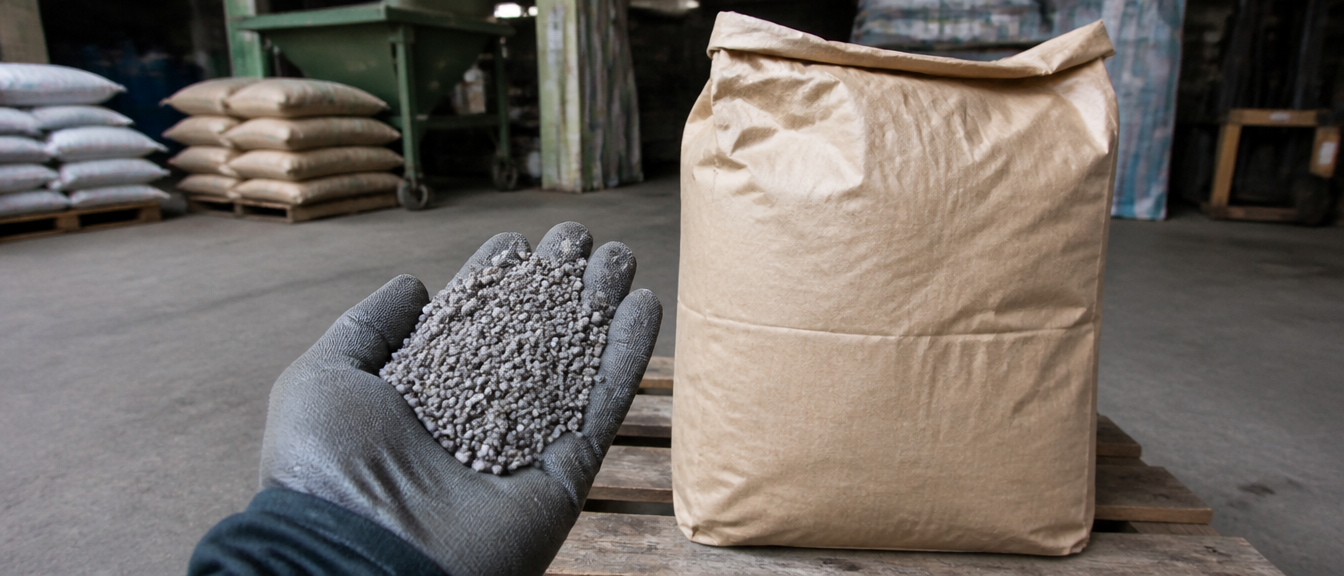
According to Yara, once fertilizer absorbs moisture, the granules soften and become sticky, increasing the tendency to clump, and warehouse floors can become damp and slippery. Clumping results from crystal bridges forming between granules, influenced by factors including air humidity, temperature, the product's own moisture content, granule strength and shape, composition, and storage duration. Of these factors, the bag can only address the first one—blocking external moisture. In other words, fertilizer storage isn't just a matter of setting it aside; it's the combined result of humidity, temperature and time, with the bag serving as just one line of defense.
Chia Huang's fertilizer bags combine multi-layer kraft paper with PE or PP coating to block moisture from the field and warehouse. Coating is a single-layer process, distinct from the 1-to-5-layer paper structure of the bag itself; thickness can be adjusted based on the fertilizer's hygroscopicity and storage environment, with thicker coating recommended for highly hygroscopic chemical fertilizers. Do note that coating cannot block moisture already present in the fertilizer at the time of bagging, nor can it solve problems caused by prolonged storage—drying before shipment and inventory turnover remain the fertilizer producer's responsibility.
Organic fertilizers and soil amendments fall outside the scope of the two sources cited above; their hygroscopicity depends on raw materials and moisture content, with no universal figure to apply. The safer approach is to provide the actual composition and moisture condition of your fertilizer, so we can determine whether coating is needed and how thick—rather than assuming organic fertilizer is automatically less moisture-sensitive.
25 kg Load Capacity: Coordinating Layers, Sealing and Anti-Slip Features
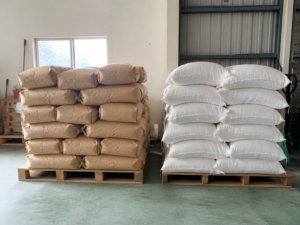
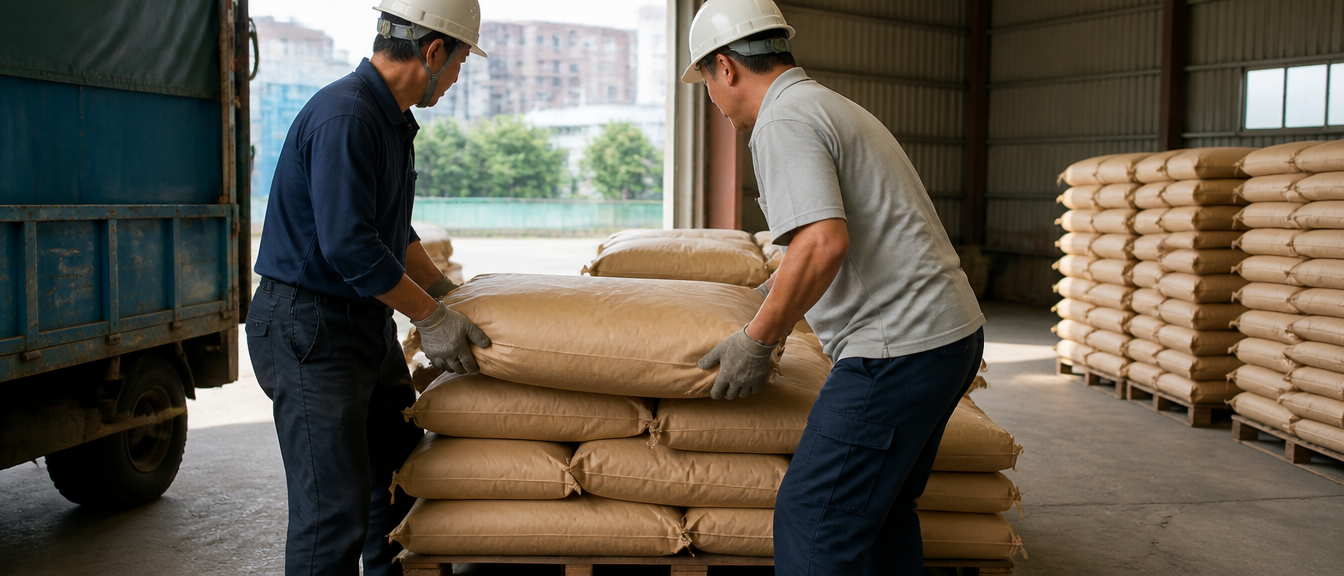
A 25kg bag must withstand more than just static weight—it also faces the grip and impact of handling, the shock of being dropped, and the pressure of being stacked layer upon layer on pallets. Paper bags use long-fiber kraft paper, which offers better load-bearing and tear resistance, with layer counts designed between 1 and 5 depending on requirements. For 25kg loads, plain kraft paper typically uses 3 layers, while three-in-one kraft composite materials usually use 2. There's no fixed structure for 25kg fertilizer packaging—common options on the market include PP woven bags, BOPP composite woven bags, kraft composite bags, and multi-layer kraft paper bags. Chia Huang offers multi-layer kraft paper bags and kraft-based composite materials, and we recommend solutions based on fertilizer characteristics, moisture protection needs, transport method and budget. For full specifications, see Heavy-Duty Industrial Paper Bags.
| Design Considerations | Fertilizer Factors | Questions to Confirm First |
|---|---|---|
| Number of Layers | 25 kg is the primary specification; kraft paper alone is typically 3-ply, while 3-in-1 composite materials are usually 2-ply | Bag Weight and Stacking Height |
| Coating | Highly hygroscopic chemical fertilizers can use thicker film coating | Fertilizer Type and Storage Duration |
| Closure | Fertilizer bags are primarily sewn; powdery contents can be evaluated for heat-sealed OverTape | Granular or Powdery Contents |
| Micro-Pore Venting | High-speed automatic filling is recommended; manual filling should be evaluated before deciding | Filling Machine Type and Speed |
| Anti-Slip Agent | Increases friction on bag surface, suitable for high stacking and long-distance transport | Pallet Stacking Layers and Transport Distance |
This table is a starting point, not a conclusion. Each additional layer adds cost but doesn't necessarily improve performance—what truly determines the specification is the packed weight, material structure, and the actual conditions of filling, transport and stacking. Yara notes that hygroscopic fertilizer can make warehouse floors damp and slippery, posing risks for both handling and stacking. Anti-slip agents provide surface friction on the bag but cannot replace proper warehouse humidity control—both need to be addressed together.
Bag Labeling and Printing: Check Fertilizer Management Regulations First
Fertilizer labeling has a legal basis. Under the Fertilizer Management Act in Taiwan's national regulatory database, Article 3 defines labeling as text, images or marks on packaging, containers or instruction sheets. Article 12 requires fertilizer to be packaged and labeled before distribution (except for compost produced domestically and transported directly from the factory or site to farmland for application). Article 13 requires labels to be in Chinese and to state the registration number, product category, registered composition and package weight, the manufacturer's or importer's name and address, usage instructions and dosage, manufacturing year, month and batch number, and expiration date. Article 29 sets fines for violations of Article 13, including unclear, incomplete, false, or missing labeling. For fertilizers intended solely for export, Article 16 allows labeling per the foreign buyer's requirements, but the country of origin must still be indicated (see Fertilizer Management Act, National Laws & Regulations Database). These responsibilities rest with the fertilizer producer, and the provisions are subject to the current version of the law—we do not provide legal guarantees. What the bag side can do is print the layout clearly once confirmed by the client.
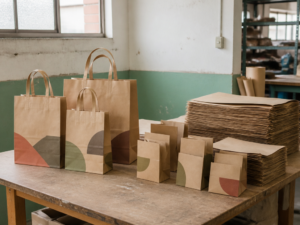
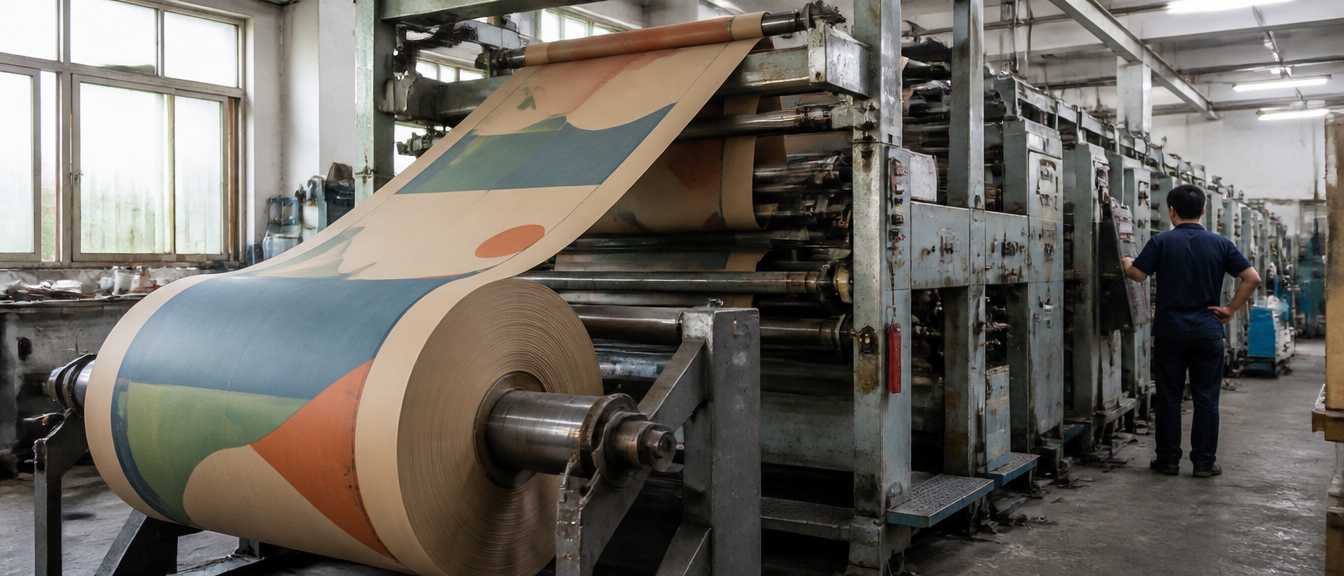
Chia Huang offers four-color printing, allowing brand, composition, usage instructions and registration information to be printed on the bag surface, completed before the coating process. Please provide your design files; we can supply layout proofs and use a similar bag style as a sample reference, finalizing production only after confirmation. For information that varies by batch, such as manufacturing date and batch number, we recommend reserving space during the design stage and confirming it together when reviewing the final layout. With many labeling requirements and limited bag surface space, layout zoning and font sizing should be planned during the design stage—otherwise you may find there's not enough room after printing. Printing color affects price: the number of colors, print area, number of plates and production quantity all influence plate-making and printing costs. We can recommend a printing configuration that balances brand presentation with cost, based on your budget and product needs.
Before requesting a quote, prepare these items
We recommend preparing five things in advance: the type and composition of the fertilizer, especially whether it's highly hygroscopic and whether it's granular or powdered; the bag's packed weight; storage and transport conditions, including storage duration and whether it will go through a humid season; the filling method, whether automatic or manual; and the printing and labeling content. The minimum order for custom production is about 5,000 bags. New designs require plate-making; if cumulative annual orders reach 50,000 bags, the plate fee can be deducted from the order amount. The actual fertilizer composition affects coating and structural recommendations—even if you only know the general formula, please share it; we can provide initial direction and finalize details once the information is confirmed. If you're still comparing different packaging structures, feel free to tell us the pros and cons of your current bag design as a reference for evaluation.
Frequently Asked Questions About Fertilizer Bags
What packaging structure should I choose for 25 kg fertilizer bags?
There's no fixed answer—it depends on a combined evaluation of product characteristics, moisture protection needs, transport method and budget. Common structures on the market include PP woven bags, BOPP composite woven bags, kraft composite bags, and multi-layer kraft paper bags. Chia Huang offers multi-layer kraft paper bags and kraft-based composite materials, and can recommend a suitable structure based on your conditions.
Fertilizer easily absorbs moisture and cakes—how can fertilizer bags prevent this?
PE or PP coating blocks moisture from the field and warehouse, with thickness adjustable based on the fertilizer's hygroscopicity and storage environment—thicker coating is recommended for highly hygroscopic chemical fertilizers. Coating cannot block moisture already present in the fertilizer itself; drying before shipment and inventory turnover must still be handled on the fertilizer side. Fertilizer storage relies on both the bag and inventory management working together.
Do all types of fertilizer need film coating?
Not necessarily. The bulletin's data shows that pure potassium sulfate is non-hygroscopic, while calcium nitrate is extremely hygroscopic—the difference is huge. Compound and blended fertilizers depend even more on actual composition. Please provide information on the contents, and we'll assess whether coating is needed and how thick. If the same bag design is used for fertilizers with different formulas, we recommend evaluating based on the most hygroscopic one.
What information can be printed on fertilizer bags?
Chia Huang offers four-color printing, which can include brand, composition, usage instructions and registration information. The specific items to be labeled should be determined by the fertilizer producer in accordance with the Fertilizer Management Act and relevant authority regulations before being submitted to us for printing.
Does printing color affect the price of fertilizer bags?
Yes. The number of print colors, print area, number of plates and production quantity all affect plate-making and printing costs—generally, more colors mean higher costs. We can recommend a printing configuration that balances brand presentation with cost, based on your budget and product needs.
Besides 25 kg, can fertilizer bags be made in other weights?
Yes. 25kg is the most common specification, but other weights and sizes can be customized. Please let us know your weight and distribution channel requirements, and we'll plan a suitable specification.
Conclusion: Choosing Fertilizer Bags—Consider the Fertilizer First, Then the Bag
There's no one-size-fits-all answer for fertilizer bags: potassium sulfate and calcium nitrate differ enormously in hygroscopicity, compound fertilizers depend on their formula, and the structure and coating thickness for a 25kg bag should follow the contents accordingly. Once you clarify the fertilizer type, weight, filling method, storage conditions and labeling content, the specification has a solid basis. If you already have a bag in use, feel free to share the issues you've encountered, such as clumping, bag breakage or stacking collapse—we can work backward from the problem to identify which design element needs adjusting. To learn more about application scope first, see the Agricultural Fertilizer Packaging page; once you have the above information ready, feel free to reach out via Contact Us, and our sales team will respond within one business day.